

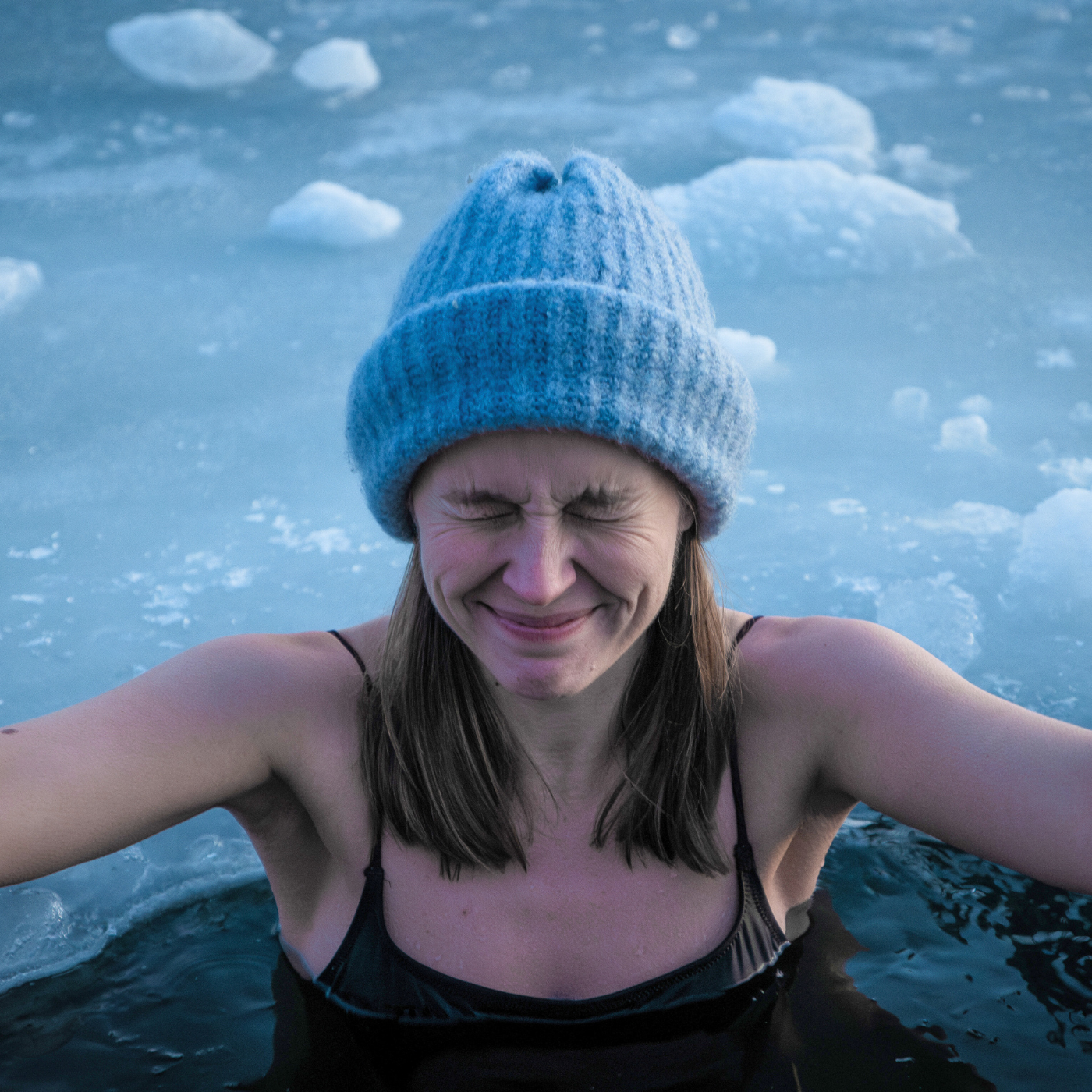
Cold water has a way of making you feel immediately, undeniably alive. Living in Denmark and experiencing winterbathing firsthand inspired Fjord's founders to bring part of that tradition back to Australia.
Whether you're curious about starting a cold water practice or simply want to understand what the research actually says, this guide is a place to begin. While the science continues to evolve, we've brought together the latest evidence, practical protocols, and cultural perspectives to help you approach cold water with confidence.
What is cold water therapy?
Cold water therapy (also known as cold water immersion, CWI, winter bathing, or cold plunging) is the intentional exposure of the body to cold water through showers, ice baths, or open water swimming. This brief, controlled stress challenges the body in ways that can improve its ability to adapt over time.
The practice is far from new. Across the Nordics, Japan, Russia, and many other parts of the world, cold water immersion has been part of everyday life for centuries. It has been used to mark seasonal transitions, build resilience, support wellbeing, and bring people together.
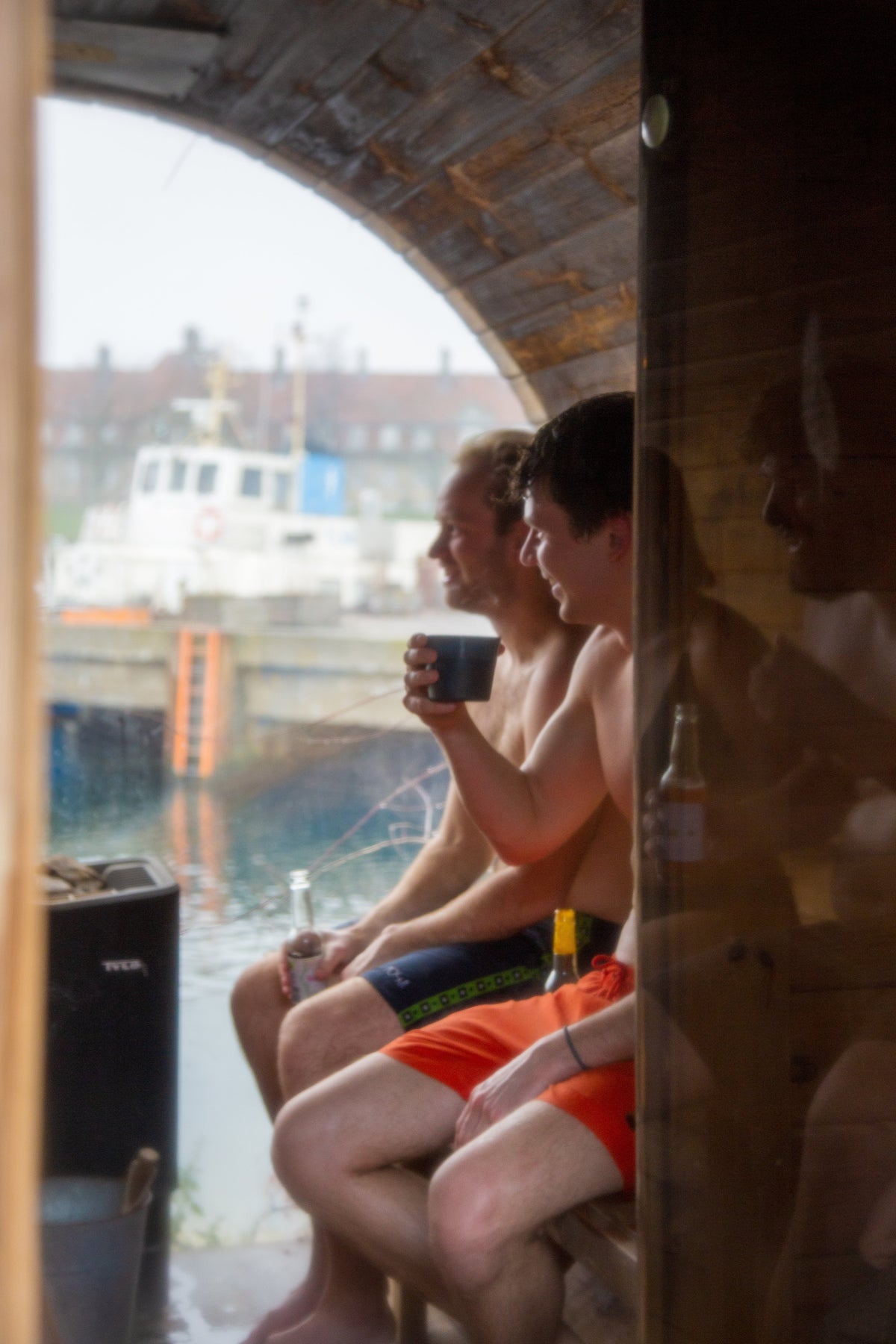
In Denmark, the tradition is known as vinterbadning. Many people belong to local winter bathing clubs found along the country's coastline, where simple facilities provide safe access to the water alongside communal saunas. For generations, people have embraced the ritual not because of scientific studies, but because of how it makes them feel.
Today, research is beginning to explain why. Although much remains to be explored, growing evidence suggests that regular, controlled cold exposure may support both physical and mental wellbeing in a variety of ways. Let's explore some of what we know so far.
If you have any existing health conditions or are unsure whether cold therapy it's right for you, please check with your doctor before you begin.
What happens when we immerse in cold water?
Cold triggers an immediate gasp, quick breathing, and a jump in heart rate. Skin blood vessels tighten and your body prioritises core warmth. Hormones linked to focus and energy rise for a short time.
With repeated, sensible practice, your nervous system learns to meet that jolt with calmer breathing and faster recovery. Many bathers report feeling more level across the rest of the day.
Potential benefits
The effects of cold water therapy are wide-ranging, but they are also highly individual. Research links these effects to changes in circulation, hormones, and nervous system activity, though the benefits vary by health, routine, and mindset.
1. Enhanced recovery
Ice baths help reduce muscle soreness and speed up recovery after intense physical activity, enabling athletes and fitness enthusiasts to perform consistently at a high level. Delayed-onset muscle soreness (DOMS) can hinder training schedules and performance. Effective recovery supports long-term athletic improvement and injury prevention. It does this by restricting the blood vessels, reducing inflammation and flushing out waste products like lactic acid. When the body rewarms, increased blood flow delivers oxygen and nutrients to the muscles.¹
Avoid cold immersion within 4–6 hours after heavy resistance training if muscle growth is a goal. Cold suppresses the inflammatory response that drives adaptation. Use it on rest days, or before a session when recovery takes priority.²
2. Boosted immune system function
Regular cold exposure can enhance the immune system, reducing the likelihood of common illnesses. A stronger immune system means fewer sick days
and better overall health. Ice bathing stimulates the production of norepinephrine, which enhances immune activity. It may also increase white blood
cell production.³
3. Improved circulation
Ice baths promote better blood circulation, which benefits cardiovascular health and helps maintain energy levels. Good circulation is vital for delivering oxygen and nutrients to tissues and removing toxins. It also supports cardiovascular health. Cold immersion causes vasoconstriction, followed by vasodilation when the body rewarms. This "vascular workout" strengthens blood vessels and improves circulation.³
4. Reduced stress and anxiety
Cold exposure can significantly lower stress levels and enhance mental clarity and resilience.
Chronic stress can negatively impact both mental and physical health, making stress management a cornerstone
of well-being. Cold immersion activates the sympathetic nervous system, releasing norepinephrine
and endorphins, which improve mood and reduce stress.⁴
5. Increased metabolism and fat-burning
Ice bathing can stimulate calorie burning by activating brown adipose tissue (BAT), which burns fat to generate heat. For individuals aiming to manage or lose weight, enhanced metabolism provides a natural, sustainable approach. Cold exposure activates BAT, which increases thermogenesis, a process where the body burns calories to maintain
core temperature.⁵
6. Improved mental resilience and focus
Enduring cold exposure builds mental toughness and increases focus, aiding personal and professional performance. Developing the ability to stay calm and focused under discomfort translates to resilience in everyday challenges. Cold water activates the prefrontal cortex and stress-adaptation pathways, enhancing focus and cognitive function.⁴
Repeated cold immersion progressively reduces the acute stress response (the gasp, the racing heart, the "panic") and that these adaptations persist for up to 7–14 months.⁶ There is also a broader argument that modern life, with central heating, air conditioning, and climate-controlled everything, has left the thermoregulatory system largely unchallenged. Deliberate cold exposure is, in part, a way of exercising a system that comfort has allowed to go dormant.
7. Improved mental health
Cold water immersion can work as a complement to treatment for depression and anxiety, with studies pointing to improvements in mood and sleep for people who swim regularly.⁷ Proposed mechanisms include the norepinephrine spike, vagus nerve activation, and for outdoor swimmers the combined effect of cold, nature, and community.⁸ There is also growing interest in its use for seasonal affective disorder. These effects are not universal and are not a substitute for professional support.
8. Enhanced sleep quality
Ice baths can improve sleep by lowering core body temperature and
enhancing relaxation. Quality sleep is essential for recovery, immune function, and mental health. Post-cold immersion, the body experiences a calming parasympathetic response that promotes relaxation and better sleep onset.⁹
9. Reduction in chronic pain and inflammation
Regular ice bathing can help manage chronic pain and reduce systemic inflammation, benefiting people with conditions like arthritis. Managing pain and inflammation naturally can improve quality of life without relying on medication. Cold immersion reduces pro-inflammatory cytokines and stimulates anti-inflammatory responses, providing pain relief and reducing swelling.³
How to think about the benefits
The benefits are not a replacement for medical care.
Neither is it a license to push through warning signs.
Health and wellbeing is a holistic approach, and is impacted by other major factors such as sleep, movement, nutrition and social connection.
If you get motivated by seeing results, then look for small, steady improvements in mood, energy, stress tolerance, and recovery across weeks, don't expect instant transformations.
Women and ice bathing
Most cold water research has been done on men, and women's physiology is different enough that this matters. Recent findings show that that cycle phases affect cold tolerance. Particularly the luteal phase (days 15–28), where rising progesterone raises core temperature by around 0.5°C. The cold shock can feel more intense, and it can be worth moderating session length accordingly to reduce the stress on the body.¹⁰
Starting ice bathing
The benefits are compelling, but first come the foundations: safety and simple basics.
Start gradually
Begin with shorter durations and higher water temperatures to allow your body to adapt to cold exposure over time.
Keep your head above water
Avoid dunking your head to minimise the risk of cold shock, hyperventilation, or dizziness.
Limit your time
Keep sessions to what you can manage and don’t go over 10 minutes to avoid the risks of hypothermia.
Breathe deeply and calmly
Focus on controlled breathing to stabilise your body and reduce discomfort.
Consult a doctor if needed
Seek medical advice before ice bathing, especially if you have conditions like cardiovascular issues, respiratory problems, Raynaud's disease, epilepsy, on regular medication or if pregnant. If in doubt, ask first.
Warm up slowly
Gradually rewarm with blankets or warm layers and avoid jumping into a hot shower immediately after. This is because of afterdrop. When you exit the water, cooler blood from your extremities returns to circulation, meaning your core temperature can keep falling for up to 30–45 minutes after you've exited the water.¹¹
Avoid alcohol and drugs
Never bathe under the influence of alcohol, as it impairs judgment and temperature regulation.
Protect your extremities
Wear neoprene socks or gloves (or keep arms out of the water) if you have poorer circulation.
Don’t go alone
Always have someone nearby to supervise in case of unexpected reactions or emergencies.
Use a timer
Set a timer to track your session and avoid overexposure to the cold. Never hyperventilate before or during cold immersion.

Potential approaches
How you practice is up to you, but here are three recommended tracks depending on your experience.
Beginner plan
2-4 weeks of practice
Frequency: 2-3 times per week
Water: Cool to cold, about 10-12°C, or finish your warm shower with 30-60 secs of cold.
Time: 1-2 minutes total per session, split into 2-3 short bouts with warm rests or sauna.
Tips: Shoulders down, jaw loose, slow nasal inhale, long mouth exhale. Stop if you feel chest pain, dizziness or panic.
Intermediate plan
Frequency: 3-4 times per week
Water: 5-10°C, controlled environment preferred.
Time: 1-3 minutes per bout, 2-3 bouts will full rewarming between or sauna.
Tips: Add movement after exit. Walk, swing arms, and dress in warm layers. Warm up naturally (without aid) to activate brown fat.
Advanced plan
Frequency: 4-5 times per week as suits your goals
Water: 3-5°C, controlled environment preferred.
Time: 2-4 minutes once adapted. 1-2 bouts.
Tips: If maximising strength gains, avoid cold immersion within 4-6 hours after heavy lifting. Use it on rest dats or later in the evening.
When to go
Morning is the most consistent choice for most people. Cold immersion aligns with the body's natural cortisol awakening response, amplifying the norepinephrine and dopamine rise and producing sustained focus and mood elevation across the day.
Evening sessions can be more stimulating, so for these it's worth paying attention to whether it affects your sleeping onset.
Breathing techniques to support you in the water
Wim Hof Method
30–40 breaths before bathing with passive exhales, then an exhale hold before entry to
prime body and mind and soften the shock.
Box breathing
4 seconds in, 4 hold, 4 out, 4 hold as you enter and sit to calm, steady, and relax your breathing.
Diaphragmatic
Slow belly breaths throughout the session to improve oxygen exchange, ease tension, and extend time in the cold.
2:1 Ratio breathing
Exhale twice as long as you inhale during the bath to trigger relaxation and keep focus and control.
A final note
The science makes a compelling case, but it only tells part of the story. Cold water therapy has endured across cultures and centuries not just because of what it does to the body, but because of what it does in community; the shared plunge, the peaceful time in the sauna, the conversations that follows. There is something to be said too for the value of simple, voluntary discomfort. Most of us move through days that are thermally identical, physically comfortable, and carefully managed. Stepping into cold water, even for a minute, is a reminder that the body is more capable of challenge that we sometimes give it credit for. And that occasionally, some of the great things we can do for ourselves are actually quite simple.
REFERENCES
- Machado AF, et al. Impact of Cold-Water Immersion Compared with Passive Recovery Following a Single Bout of Strenuous Exercise on Athletic Performance in Physically Active Participants. Sports Medicine, 2022.
- Fuchs CJ, et al. Cold Water Immersion Attenuates Anabolic Signaling and Skeletal Muscle Fiber Hypertrophy, but not Strength Gain, Following Whole-Body Resistance Training. Journal of Applied Physiology, 2019.
- Mooventhan A, Nivethitha L. Cold Water Swimming — Benefits and Risks: A Narrative Review. International Journal of Health Sciences, 2020.
- Tipton MJ, et al. Human Physiological Responses to Immersion into Water of Different Temperatures. European Journal of Applied Physiology, 2000.
- Søeberg S, et al." Altered Brown Fat Thermoregulation and Enhanced Cold-Induced Thermogenesis in Young, Healthy, Winter-Swimming Men. Cell Reports Medicine, 2021.
- Tipton MJ, et al. Habituation of the Initial Responses to Cold Water Immersion in Humans: A Central or Peripheral Mechanism? Journal of Physiology, 1998.
- van Tulleken C, et al. Cold Water Swimming as an Add-On Treatment for Depression: A Feasibility Study. BMJ Open, 2022.
- Massey H, et al. Beyond the Cold Baths: Contemporary Applications of Cold-Water Immersion in the Treatment of Clinical Depression and Anxiety. BJPsych Advances, 2023.
- Xie Z, et al. Role of Melatonin in the Induction and Maintenance of Sleep. CNS & Neurological Disorders, 2011.
- Greenfield AM, Charkoudian N, Alba BK. Influences of Ovarian Hormones on Physiological Responses to Cold in Women. Temperature, 2021.
- Golden FS, Tipton MJ. Mechanism of Afterdrop After Cold Water Immersion. Journal of Applied Physiology, 1988.
Share: